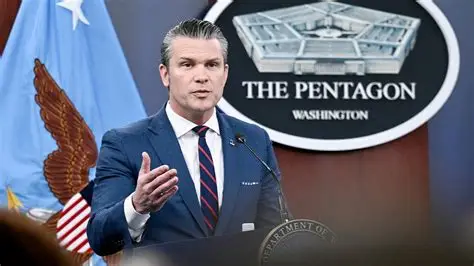
Hegseth Declares Commanders Back in Charge with Major IG Reforms Across War Department
Washington, D.C.—October 6, 2026—Secretary of War Pete Hegseth on Tuesday declared that military commanders are once again firmly in control, unveiling further details of long-running reforms to the Department of War’s inspector general (IG) system in a video message that quickly circulated across official channels.
“IG Reform: Commanders are back in charge,” Hegseth posted alongside a roughly two-minute video in which he outlined the shift.
The announcement builds on directives first issued in late September 2025 that overhauled how complaints are received, investigated, and resolved across the armed forces.
Empowering Leaders, Tightening Oversight
In the video and related remarks, Hegseth argued that previous IG policies had been “weaponized,” placing “complainers, ideologues, and poor performers in the driver’s seat.”
The reforms, he said, restore the ability of commanders and non-commissioned officers to enforce standards on fitness, appearance, discipline, and readiness without constant fear of protracted investigations.
Key elements of the overhaul include:
- Mandatory credibility assessments of complaints within seven duty days.
- Elimination of fully anonymous reporting in favor of confidential channels that identify the complainant.
- Tracking of repeat or frivolous complainants.
- Shorter investigation timelines, with many cases expected to close within 30 days once deemed credible.
- Greater use of technology, including artificial intelligence tools under human oversight, to triage and route complaints.
Hegseth has repeatedly framed the changes as part of a broader cultural reset that prioritizes the “warrior ethos,” training, lethality, and accountability over what he describes as social engineering and risk-averse bureaucracy.
Context of Broader Pentagon Transformation
The IG reforms form one pillar of Hegseth’s wider agenda since taking office. That agenda has included significant reductions in the ranks of general and flag officers, the creation of new commands focused on autonomous warfare, and repeated emphasis on physical standards, merit-based promotions, and ending what the secretary calls a “poisonous culture of risk aversion.”
Supporters within the department and among some military leaders argue the changes free commanders to lead effectively and reduce the burden of lengthy, low-merit investigations that can sideline careers for months or years.
Critics, including oversight advocates, former inspectors general, and some members of Congress, warn that tighter timelines, reduced anonymity, and closer control by service secretaries risk undermining independent oversight and discouraging legitimate whistleblowers.
The reforms arrived against the backdrop of earlier controversies, including the 2025 firing of the Senate-confirmed Defense Department inspector general and an IG probe into Hegseth’s own use of the Signal messaging app for sensitive operational discussions.
Reactions and Next Steps
Reactions on social media and in policy circles remain sharply divided. Some service members and veterans have welcomed the message as long-overdue empowerment of the chain of command.
Others express concern that the balance between accountability and protection for those reporting genuine misconduct may have tilted too far.
The Department of War has not released additional detailed implementation guidance alongside Tuesday’s video.
Officials say the reforms remain under continuous evaluation as the department works to balance rapid resolution of complaints with the need for thorough, independent review of serious allegations.
As the U.S. military continues operations and readiness efforts worldwide, Hegseth’s latest statement signals that the push to place commanders firmly “back in charge” remains a central priority of his tenure.
 news
news Presidency Brands Economist’s Tinubu Hate Claim Intellectual Fraud as Reforms Push On
 news
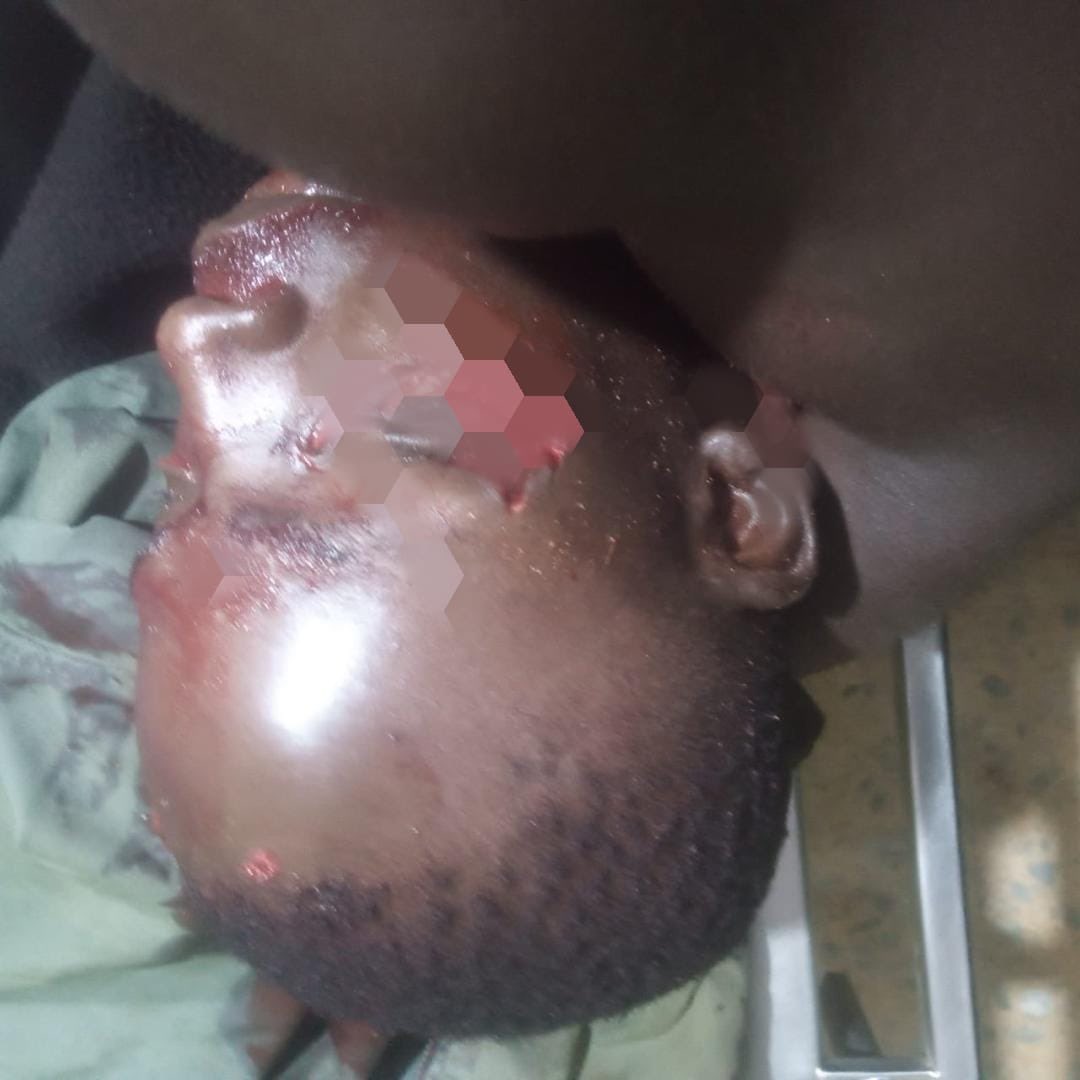
news Suspected Cattle Rustlers Injure Youth in Isolated Bokkos Attack as Plateau Troops Respond
 world
world Trump Credits US Forces as Dozens of Iranian Terror Leaders Sent Straight to Hell
 politics
 Sowore Demands ₦500,000 Wage for INEC Staff, Threatens 2027 Election Boycott
 politics
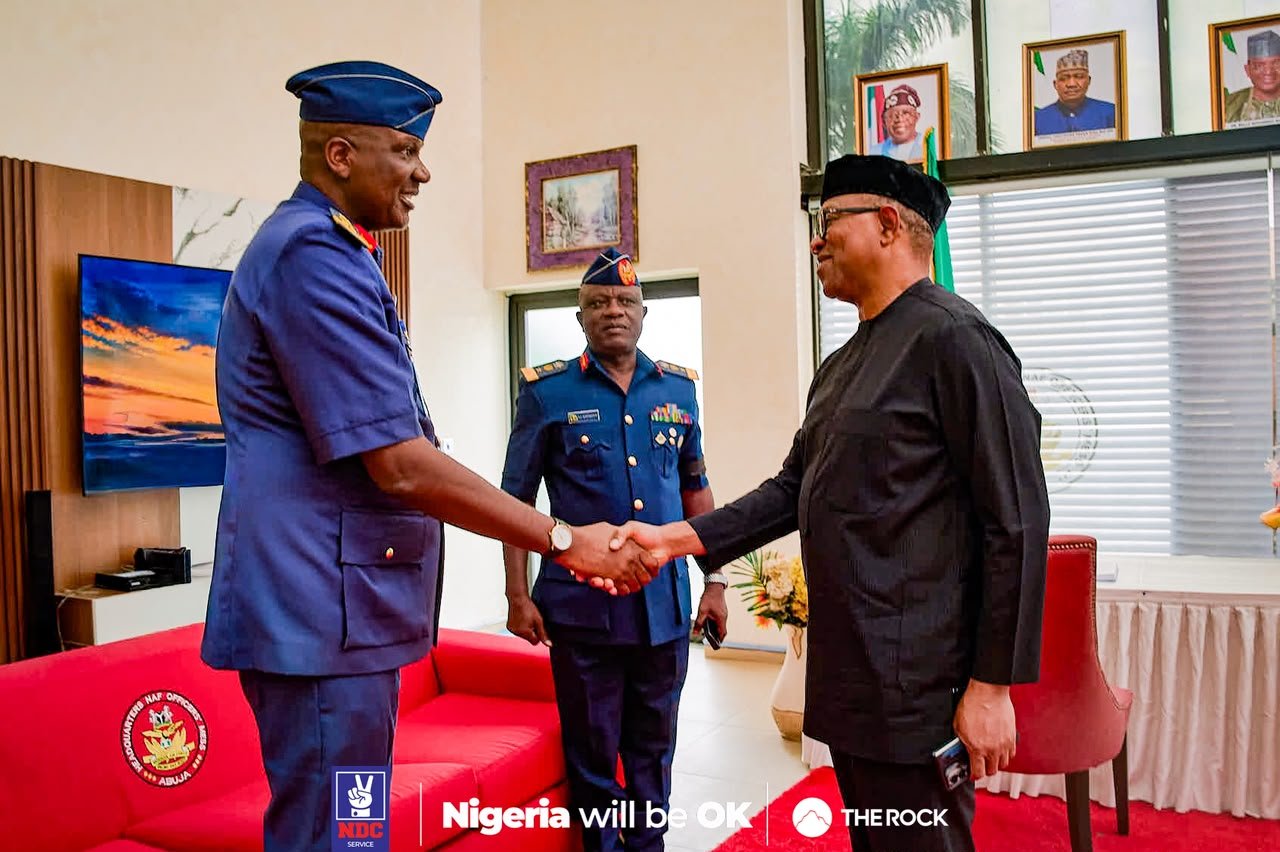
 Peter Obi Visits NAF Facility in Abuja to Mourn Crash Victims After Deadly Ondo Air Disaster
How do you feel about this news?
Community Additions
Have a news tip, correction, or extra context about this story? Post it below instantly. All submissions appear live on this screen immediately.