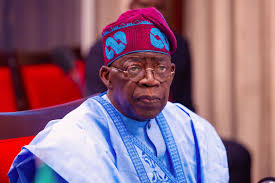
Nigerians, Not Foreigners, Define True Governance – Expert Declares
Abuja, Nigeria – Prominent political analyst Prof. Jibrin Ibrahim delivered a sharp critique of Nigeria’s leadership on Arise TV, asserting that everyday citizens—not foreign observers—hold the real verdict on governance. His remarks, which aired during a Friday broadcast, captured the growing public disillusionment as President Bola Ahmed Tinubu’s administration marked its third anniversary amid widespread economic hardship.
Prof. Ibrahim, a Senior Fellow at the Centre for Democracy and Development, spoke with striking candor. He argued that the disconnect between official narratives and the lived realities of ordinary Nigerians has become painfully obvious.
“Anyone willing to truly listen to Nigerians would clearly understand the verdict of the people,” he stated. “For the majority, life is defined by hardship, misery, and suffering. What makes it even more painful is that while ordinary citizens struggle to survive, a tiny minority in power continues to live in opulence, driven by arrogance and a culture of excessive, self-serving accumulation of wealth. For me, that can never be seen as a positive sign of governance or leadership.”
Transitioning from praise by international watchers to ground realities, Ibrahim emphasized that glossy macroeconomic figures fail to mask the daily struggles of millions. His comments come just one day after President Tinubu defended bold reforms, including fuel subsidy removal and forex unification, claiming they prevented fiscal collapse and spurred stock market gains. Yet many citizens report the opposite experience: soaring food prices, unaffordable rents, and persistent power outages continue to define their lives.
This latest intervention on Arise TV adds fuel to the intense online backlash that greeted the President’s anniversary message. Nigerians flooded social media with raw anger, echoing Ibrahim’s concerns. While a small group praised infrastructure strides, the dominant voices expressed feelings of exclusion and exhaustion.
Nevertheless, such assurances have struggled to calm citizens who continue to demand faster action on insecurity and economic relief.
Prof. Ibrahim’s analysis highlights a critical tension at the heart of Nigeria’s current moment. While the government points to rising investor confidence and major projects, critics like him insist that good governance must be measured by how ordinary people fare—not by external validation or elite comfort.
As investigations into the Ekiti case proceed and public discourse intensifies, the coming weeks will test the administration’s ability to bridge this widening gap. Without visible improvements that citizens can feel in their daily lives, frustration may continue to mount, shaping political conversations well beyond this anniversary period.
news Presidency Brands Economist’s Tinubu Hate Claim Intellectual Fraud as Reforms Push On
 world
world Hegseth Declares Commanders Back in Charge with Major IG Reforms Across War Department
 news
news Suspected Cattle Rustlers Injure Youth in Isolated Bokkos Attack as Plateau Troops Respond
 world
world Trump Credits US Forces as Dozens of Iranian Terror Leaders Sent Straight to Hell
 politics
 Sowore Demands ₦500,000 Wage for INEC Staff, Threatens 2027 Election Boycott
How do you feel about this news?
Community Additions
Have a news tip, correction, or extra context about this story? Post it below instantly. All submissions appear live on this screen immediately.