Future Generations Will Pay for Nigeria’s Mounting Debt, Ekpo Warns
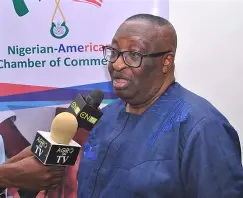
Uyo/Lagos — Nigeria’s growing public debt is not just a present-day fiscal headache; it is an intergenerational burden that future citizens will ultimately repay, according to renowned economist Professor Akpan Ekpo.
Speaking in an exclusive interview on ARISE News’ Money Show on August 4, 2026, the former Director-General of the West African Institute for Financial and Economic Management (WAIFEM) delivered a blunt assessment of the country’s debt trajectory and the choices that could shape economic life for decades.
“The debts incurred now are intergenerational; future generations will pay for them,” Ekpo stated firmly. He stressed a fundamental economic truth often lost in public debate: “GDP doesn’t pay debt, revenue does.”
Borrowing, he argued, is only justified when it finances capital projects capable of generating returns that service and eventually repay the loans.
Borrowing to fund recurrent expenditure, he warned, is unsustainable and unfair to those yet unborn.
According to the Debt Management Office, Nigeria’s total public debt stood at ₦159.3 trillion as of 31 December 2025.
Domestic debt accounted for roughly 53 percent of the stock, while external debt made up about 47 percent.
Ekpo urged a deliberate shift in composition: if borrowing is necessary, it should lean more heavily toward domestic sources and less toward external loans, which expose the country to exchange-rate risks.
The professor, speaking from Uyo, also painted a stark picture of everyday living conditions. “Eighty percent of Nigerians lack the necessities of life,” he said, calling on citizens to rise and hold government accountable for how taxes and borrowed funds are used.
Transparency, proper project appraisal, and a clear distinction between productive investment and consumption spending remain non-negotiable, he insisted.
Ekpo is no stranger to these warnings. In previous ARISE News appearances he has consistently argued that Nigeria does not have to treat external borrowing as its only option.
Public-private partnerships, contractor financing, and better domestic resource mobilization, he has said, offer viable alternatives when properly structured.
His latest intervention comes against a backdrop of rising debt-service costs and ongoing debates over the quality of public spending.
The message is clear and uncomfortable: today’s borrowing decisions will be inherited by tomorrow’s taxpayers.
Whether those debts become a foundation for growth or a millstone around the necks of future generations depends on the choices Nigeria makes now—choices that demand more than accounting ratios and political talking points.
They demand revenue discipline, productive investment, and genuine accountability to the citizens who ultimately pay the bill.
 news
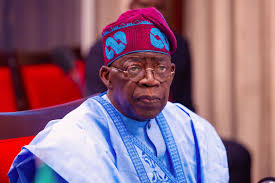
news Presidency Brands Economist’s Tinubu Hate Claim Intellectual Fraud as Reforms Push On
 world
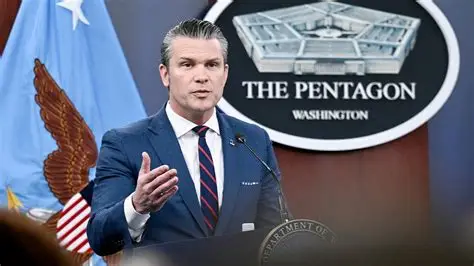
world Hegseth Declares Commanders Back in Charge with Major IG Reforms Across War Department
 news
news Suspected Cattle Rustlers Injure Youth in Isolated Bokkos Attack as Plateau Troops Respond
 world
world Trump Credits US Forces as Dozens of Iranian Terror Leaders Sent Straight to Hell
 politics
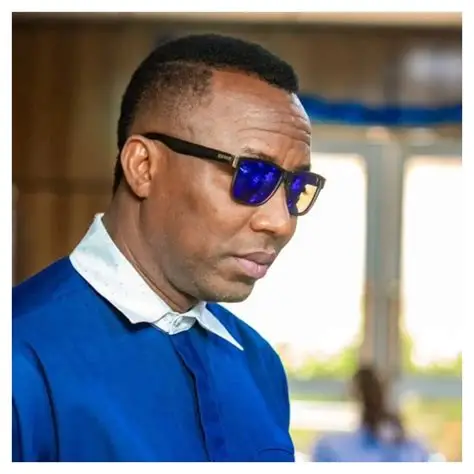
 Sowore Demands ₦500,000 Wage for INEC Staff, Threatens 2027 Election Boycott
How do you feel about this news?
Community Additions
Have a news tip, correction, or extra context about this story? Post it below instantly. All submissions appear live on this screen immediately.