ADC Demands Full Disclosure as Tinubu’s Prolonged Absence Raises Leadership Questions
Abuja, Nigeria – September 27, 2026—The African Democratic Congress (ADC) has sharply criticised the Presidency over President Bola Tinubu’s prolonged and largely unexplained absence from Nigeria, demanding clear answers six days after his originally announced three-week vacation expired.
In a statement issued by Kola Ologbondiyan, Director of Media and Publicity of the ADC Presidential Campaign Council, the party insisted that the Presidency owes Nigerians a transparent account of the president’s whereabouts and the circumstances of the extended stay.
The ADC stressed that the office of the President is a public trust and that citizens who elected Tinubu are entitled to know where he is and, crucially, who is currently exercising presidential authority while he remains outside the country.
“This is particularly important at a time when Nigeria is confronted by serious economic pressures, widespread hardship and persistent security challenges. The country cannot afford uncertainty at the highest level of government,” the statement said.
Background to the Extended Trip
President Tinubu departed Nigeria on August 30, 2026, for what the Presidency described as a three-week working vacation that took him first to London and later to Paris.
The initial period has long since passed. On September 21, the State House announced a further extension of a few days, with an expected return over the weekend. Reports on September 27 indicated yet another adjustment, with sources suggesting a possible return on Tuesday.
The prolonged stay has coincided with the simultaneous absence of Vice-President Kashim Shettima, who travelled to New York to represent Nigeria at the United Nations General Assembly. This dual absence has intensified public and opposition scrutiny.
Constitutional Concerns Take Centre Stage
Opposition voices, led by the ADC, have repeatedly invoked Section 145 of the 1999 Constitution. The provision requires a president proceeding on vacation or otherwise unable to perform the functions of the office to transmit a written declaration to the President of the Senate and the Speaker of the House of Representatives, after which the Vice-President assumes acting presidential duties.
The ADC has rejected the Presidency’s characterization of the trip as a “working vacation,” arguing that no such category exists in the Constitution and that presidential authority cannot be transferred by press statement, protocol, or informal representation.
The party has also questioned the role of the Secretary to the Government of the Federation, George Akume, who has represented the president at some official functions, insisting that an appointee cannot exercise the constitutional powers of the president or acting president.
Senate President Godswill Akpabio and other government figures have maintained that there is no vacancy in Aso Rock, that Tinubu remains fully in charge, and that he continues to direct the affairs of state from abroad. The Presidency has described the absence as productive engagement rather than a leadership gap.
Broader Context and Public Reaction
The controversy has unfolded against a backdrop of economic hardship, insecurity, and political tension ahead of the 2027 elections.
Critics have also noted Tinubu’s absence from the 2026 Armed Forces Celebration and Remembrance Day, describing the lack of physical presence by the Commander-in-Chief as troubling at a time when troops face multiple security threats.
Supporters counter that modern governance is not limited by physical location and that the president’s continued remote oversight demonstrates active leadership.
The National Assembly has so far resisted calls to reconvene specifically over the matter, with some senators arguing there is no constitutional crisis requiring emergency action.
As Nigerians await the president’s eventual return, the ADC’s latest intervention underscores a growing demand for greater transparency around the exercise of high office.
Whether the Presidency provides the detailed clarification sought by the opposition remains to be seen, but the episode has already highlighted the sensitivity of presidential absence in a democracy facing complex domestic challenges.
*This report draws from official statements, contemporaneous news coverage, and public records as of September 27, 2026.*
 news
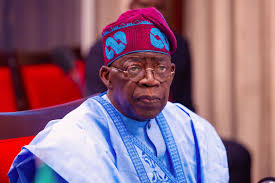
news Presidency Brands Economist’s Tinubu Hate Claim Intellectual Fraud as Reforms Push On
 world
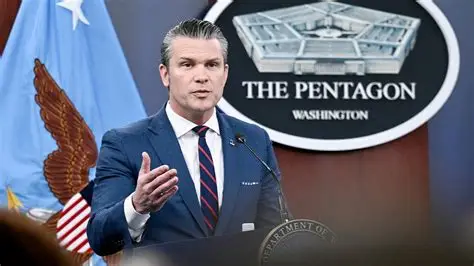
world Hegseth Declares Commanders Back in Charge with Major IG Reforms Across War Department
 news
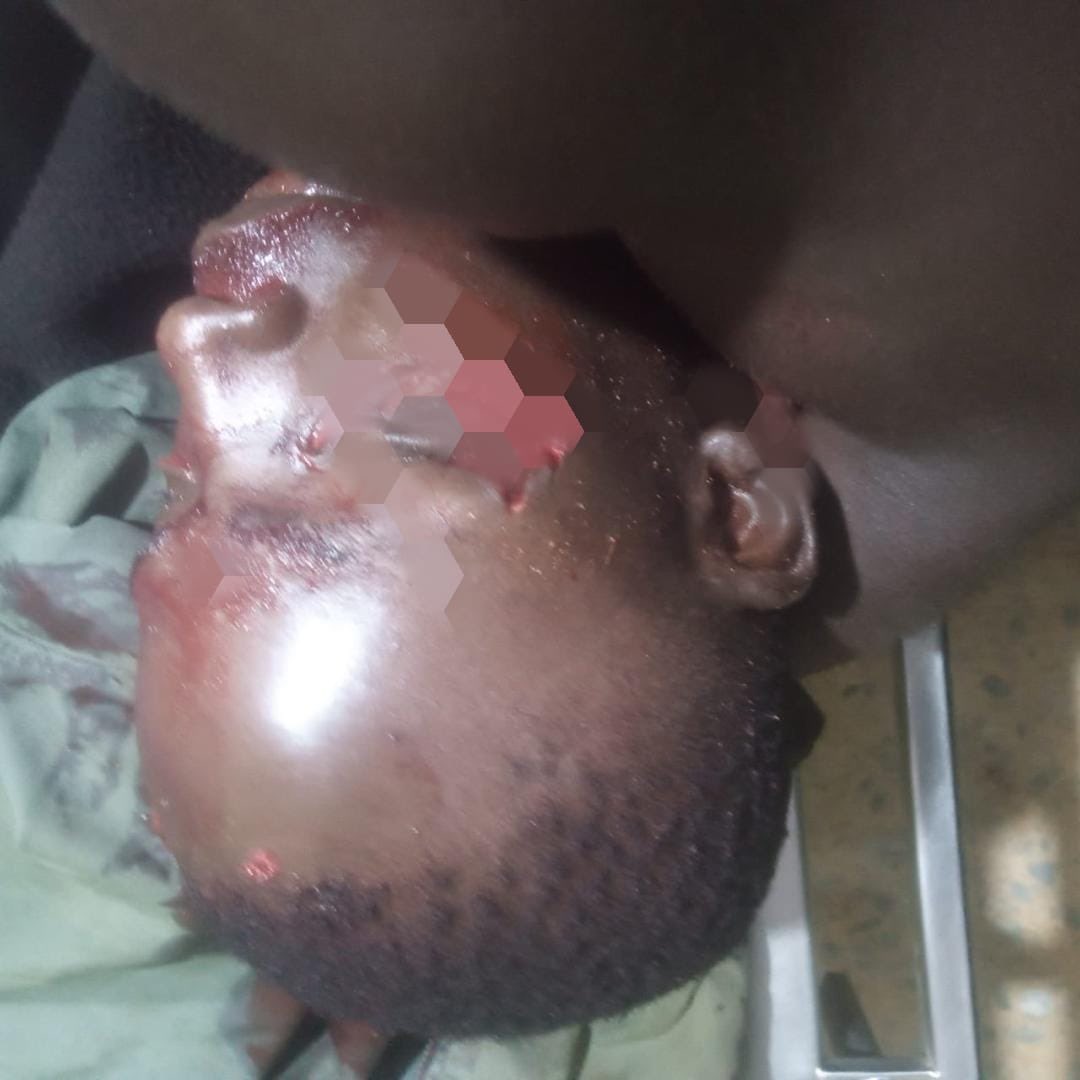
news Suspected Cattle Rustlers Injure Youth in Isolated Bokkos Attack as Plateau Troops Respond
 world
world Trump Credits US Forces as Dozens of Iranian Terror Leaders Sent Straight to Hell
 politics
 Sowore Demands ₦500,000 Wage for INEC Staff, Threatens 2027 Election Boycott
How do you feel about this news?
Community Additions
Have a news tip, correction, or extra context about this story? Post it below instantly. All submissions appear live on this screen immediately.